The Charging Bill Nobody Expects
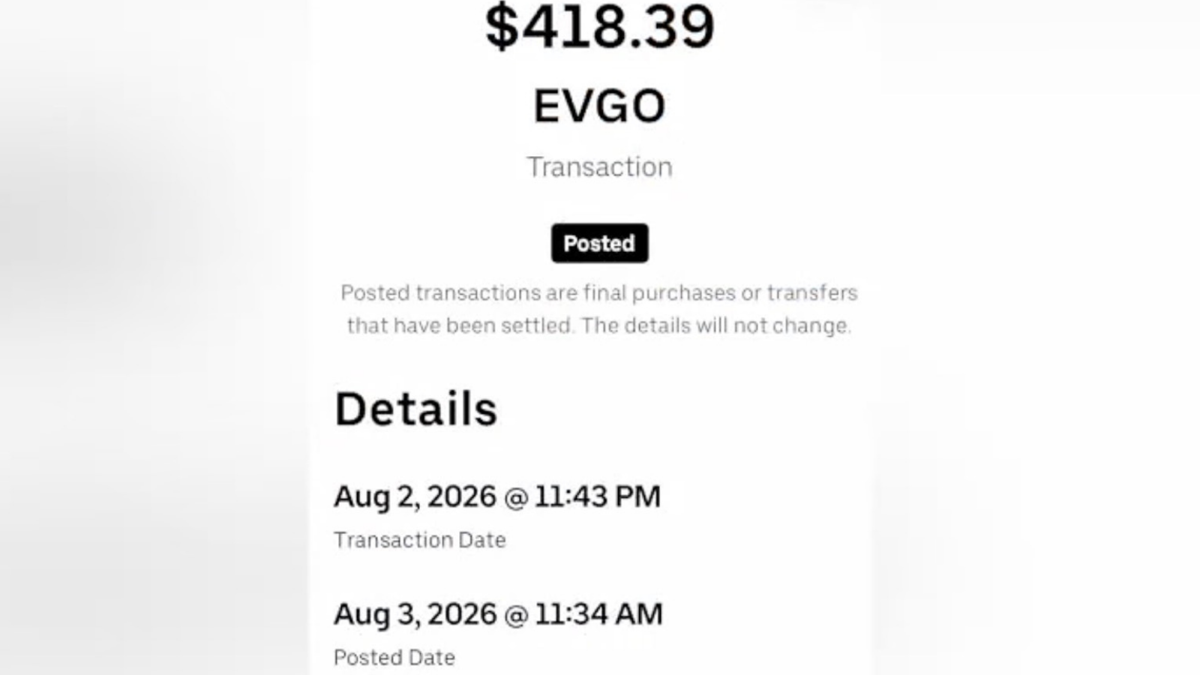
Electric vehicles are marketed to people who not only want to drive a zero-tailpipe-emission vehicle, but also save on fuel costs. So when a Michigan driver received a $418 bill for recharging a rental Chevrolet Bolt EV at a Hyundai dealership in Macomb Township, the story blew up and raised questions about whether there had been a glitch in the system.
Interestingly, there wasn’t. According to WXYZ News, driver Stanley Kpenkann found the charging station through the EVgo app and recharged the Bolt for 44 minutes. After the session, he received a $418 bill based on the dealership’s own pricing. The dealership said the unusually high rates were intended to discourage the public from using a charger reserved for its customers and vehicles.
Paying for Power and Time
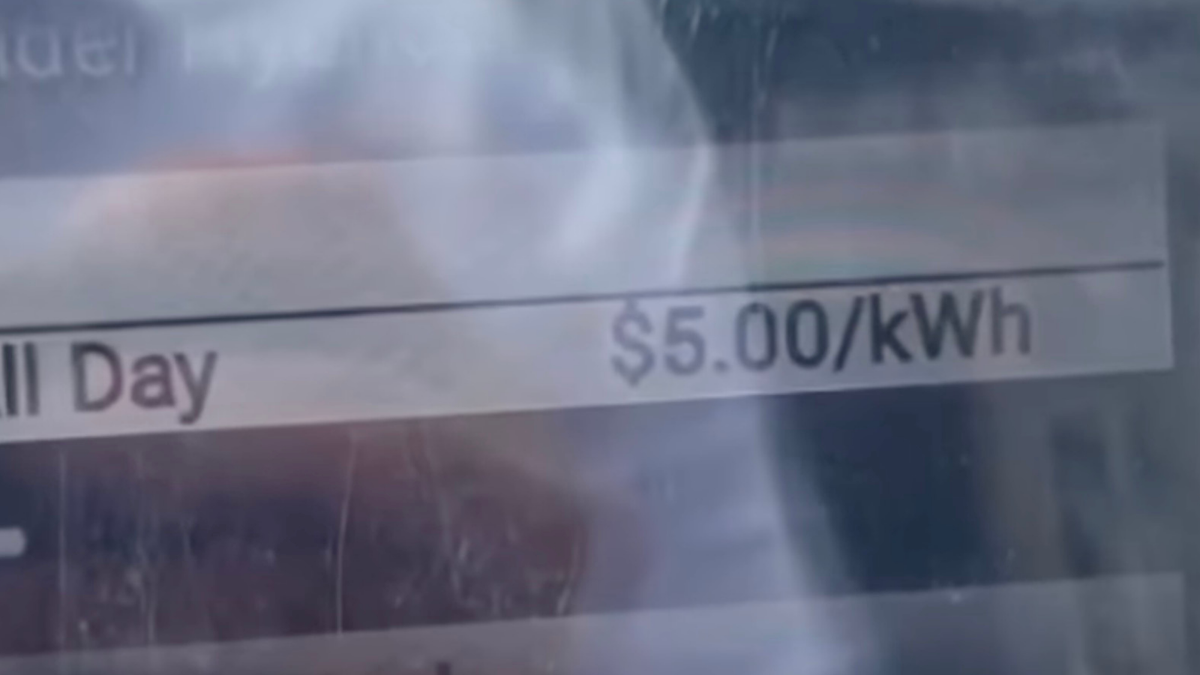
More specifically, the Hyundai dealership charged $5 per kWh. That’s significantly higher than the current U.S. public-charging average of $0.423/kWh, according to AAA. In Michigan, the average is $0.399/kWh. But it didn’t stop there: the dealer also charged an additional $5 per minute, which could prevent people from occupying the charger too long, since charging slows near a full battery.
With both rates in place, it’s no wonder the final bill climbed past $400. That’s particularly striking given that the Chevy Bolt is a small, relatively efficient electric hatchback, whose direct competition is the Nissan Leaf.
EVgo said the charger was accessible through its app under a roaming agreement with ChargePoint, whose name appeared on the equipment. However, the dealership owned the station and set its pricing.
In response to the dealership’s intention to deter public use, Kpenkann said, “It makes no sense for you to have it on the app and say, ‘No, we don’t want everybody to use it because of private use.’ Then make it private; don’t make it public.”
A Refund After the Scrutiny
After raising the matter with EVgo, the charging network ultimately processed what it called a “goodwill refund” of about $405. The remaining $13.27 represented what the session would have cost under Kpenkann’s subscription plan. He thanked the news outlet for publicizing the story, which likely helped him secure the refund.
The rates may come off as a way to take advantage of EV owners, especially those who may not be paying attention, but this incident is a reminder to check the displayed price before plugging in. Charging costs can vary substantially by station – particularly when per-minute fees are added.
from Autoblog News https://ift.tt/paBwxuZ



0 Comments