Chery Could Be Moving In
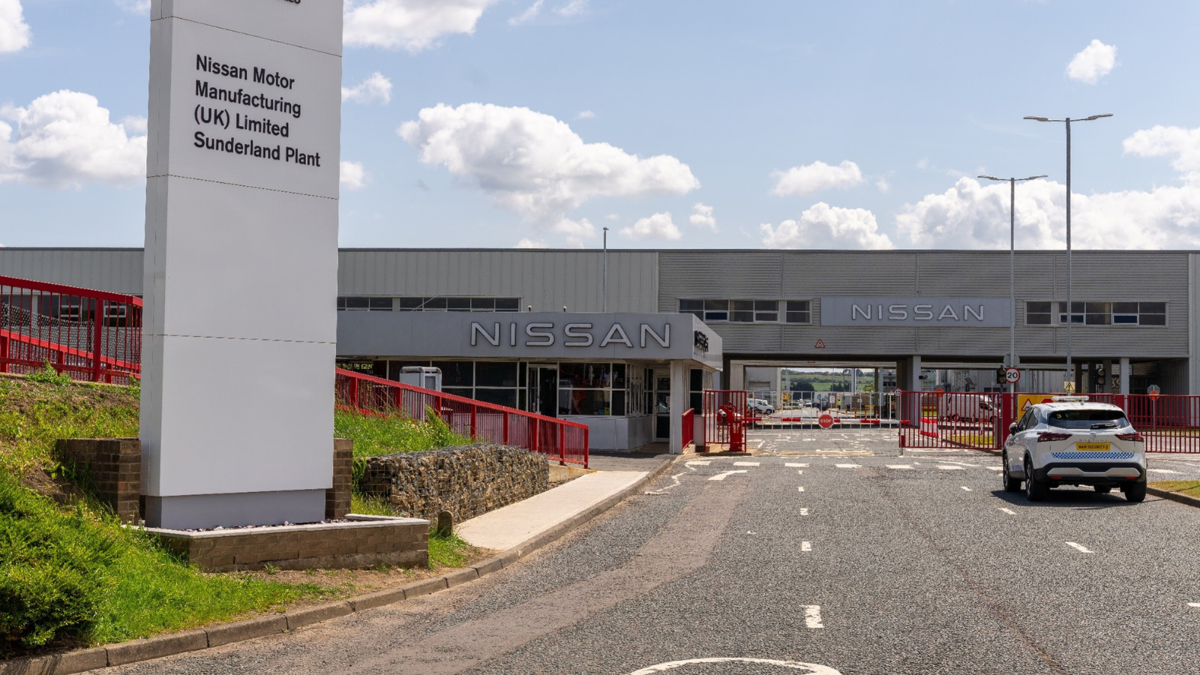
Nissan is currently in a recovery phase under its Re:Nissan plan, which includes cost-cutting measures and efforts to refine its lineup. Now, the Japanese automaker has announced that it has signed a memorandum of understanding with Chery to explore the contract production of passenger vehicles at its Sunderland plant in the United Kingdom.
This follows Nissan’s decision to consolidate its own vehicle production on the plant’s second line, freeing up the first. If the two automakers reach a final agreement, that line would be used by Chery, one of China’s leading carmakers alongside BYD and Geely. While the partnership has both pros and cons, production is targeted to begin in fiscal 2027.
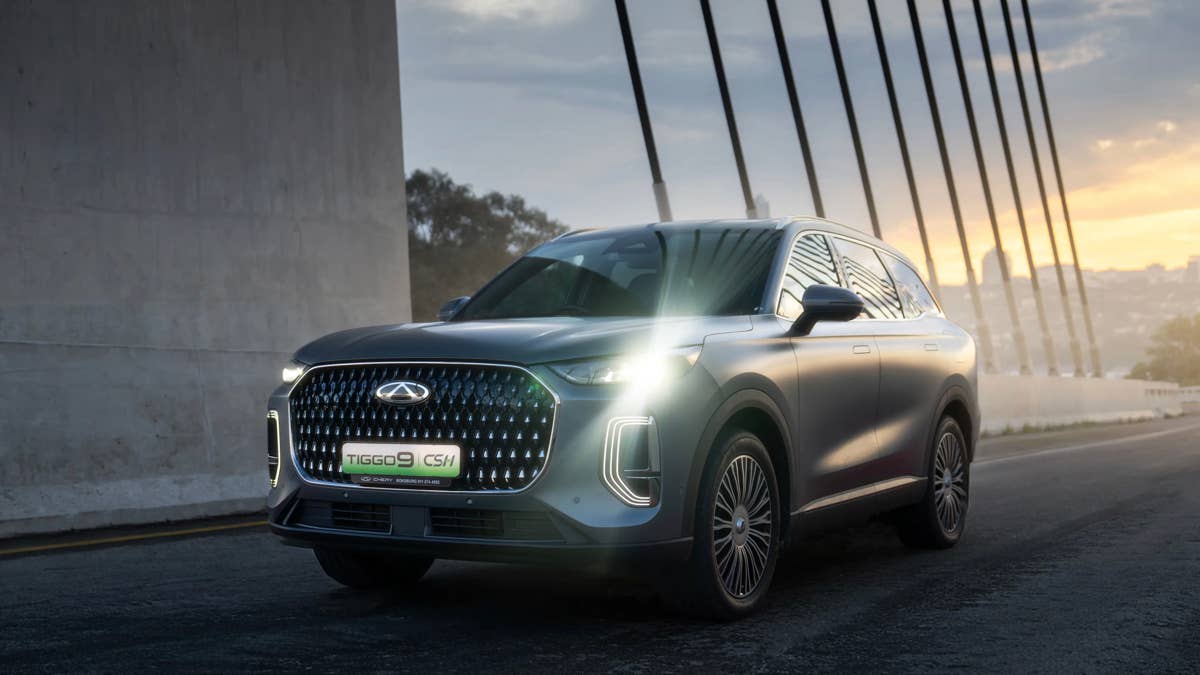
Chery
Keeping the Lights On
For Nissan, the partnership could improve utilization of the Sunderland plant, which in turn could boost the facility’s profitability. It could also help preserve jobs, as Nissan said the memorandum would allow it to retain full ownership of the plant while keeping the workforce employed by the company.
Meanwhile, Chery could gain a stronger manufacturing footprint in Europe, which is crucial as competition in China intensifies. A local production line could also improve delivery times for European customers. The automaker already offers several models, including plug-in hybrids such as the Tiggo 8 Chery Super Hybrid and Tiggo 9 CSH.
None of these models are likely to ring a bell with U.S. consumers, as Chinese vehicles remain largely absent from the American market, where Nissan operates three manufacturing plants. Nissan’s U.S. strategy is different, with the Japanese automaker expected to produce new body-on-frame vehicles at its Canton, Mississippi, assembly plant, including the possible return of the Xterra nameplate.
The Global Strategy Split
That is just the reality of competing in the global auto industry. There is no one-size-fits-all strategy, and automakers typically tailor their products to local market preferences. In Europe, Nissan is focusing on EVs such as the Leaf, Ariya, Micra, and the upcoming all-electric Juke, which is expected to join the lineup in 2027.
That stands in contrast to Nissan’s strategy in the U.S., where its EV lineup is currently limited to the Leaf. The automaker previously sold the Ariya, but it was axed after the 2025 model year, likely due to a mix of import tariffs and slowing EV demand.
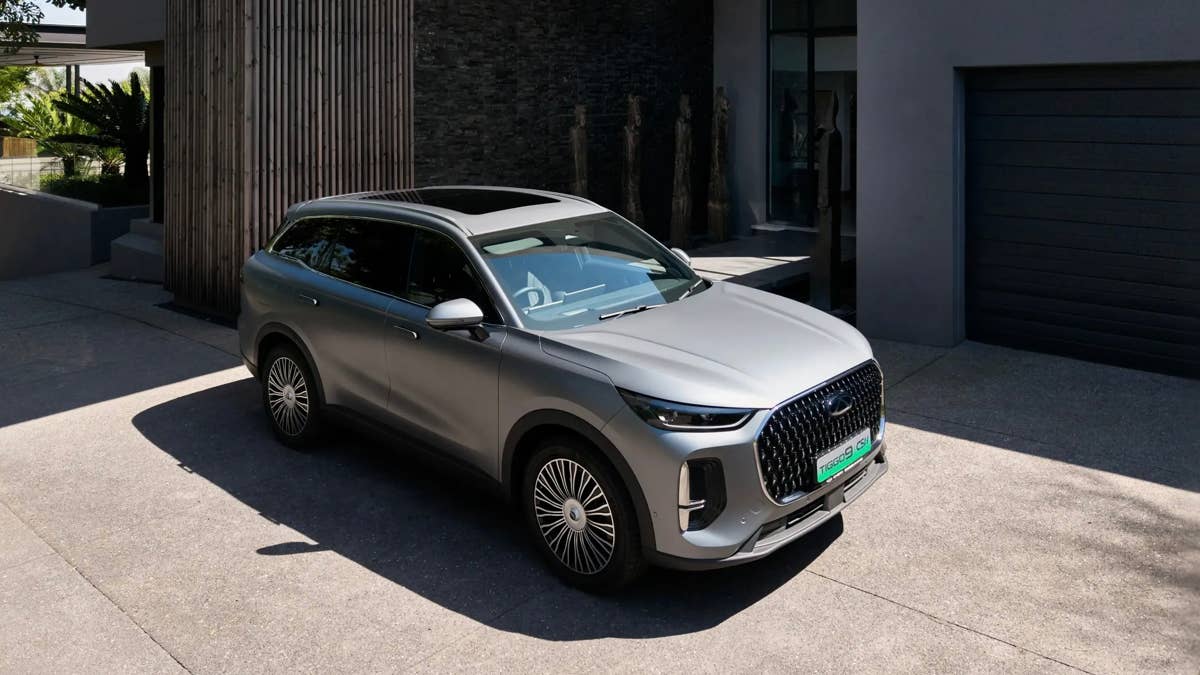
Chery
from Autoblog News https://ift.tt/K3BjqFg






0 Comments