California has a history of setting regulations that eventually ripple out across the entire country, and its latest proposal could hit closer to home than most. The California Energy Commission is pushing forward a replacement tire efficiency program that would require aftermarket tires sold in the state to meet rolling resistance targets modeled on original equipment tires. In plain terms, a huge selection of the tires currently on shelves could no longer be sold there legally. Tire review channel tyre_reviews broke the proposal down in a recent Instagram reel, and the concerns raised are worth understanding regardless of whether you live in California or care about performance driving.
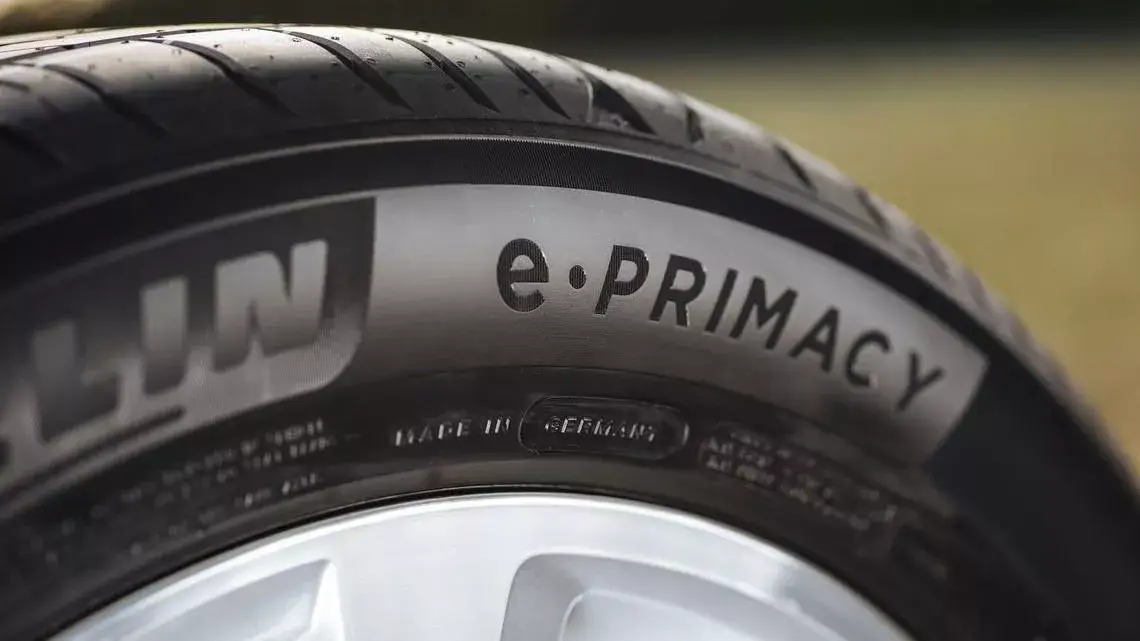
Michelin
What the Program Is Trying to Do and Why the Math Doesn't Add Up
The CEC's case for the regulation is straightforward on paper. Original equipment tires, meaning the tires fitted to new cars at the factory, are engineered specifically to keep rolling resistance low. That helps automakers hit their own CO2 targets. Requiring replacement tires to match that standard, the argument goes, would save California drivers around $179 in fuel costs per set of tires and cut roughly 2 million metric tons of greenhouse gas emissions by 2035.
The problem is what that standard actually involves. Factory tires are tuned for efficiency at the cost of tread depth, longevity, and sometimes wet grip. They are not designed with replacement buyers in mind. And here is where the logic starts to unravel. American consumers expect an all-season tire to last 60,000 to 65,000 miles. The European-standard tires, which this regulation would effectively favor, average closer to 27,000 miles. Replacing tires twice as often means producing twice as many tires, and tire manufacturing is an energy-intensive, emissions-heavy process. Whether the CEC has properly accounted for that production footprint in its savings estimates is a fair and serious question.
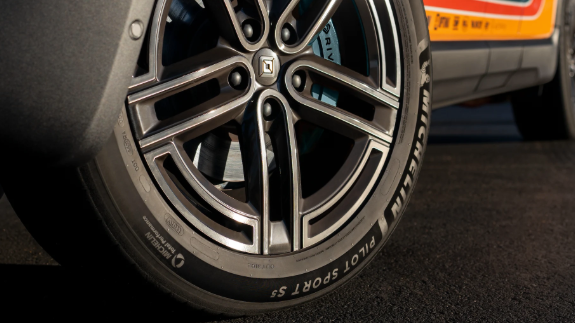
Rivian
What It Actually Means for Consumers
At the outset of this proposal, it seems like a case of legislation forcing consumers to spend more to save less. If the regulation passes and holds, anyone buying replacement tires in California (and not just those shopping for high-performance tires) faces a narrower, fundamentally different market. Tires optimized for durability, traction in poor conditions, or heavier vehicles could fail to meet the new thresholds of rolling resistance for that model, potentially putting anyone who wants anything other than low-rolling resistance tires in a spot. Shorter-lived tires mean more frequent purchases and more expense over time, directly undermining the fuel savings the regulation promises. How California’s tire ban will actually address these finer points remains to be seen, but the initial impressions point to an idea that could play out better in theory than in real life.
from Autoblog News https://ift.tt/hOg9fjR





0 Comments