A Familiar Future, With a Twist
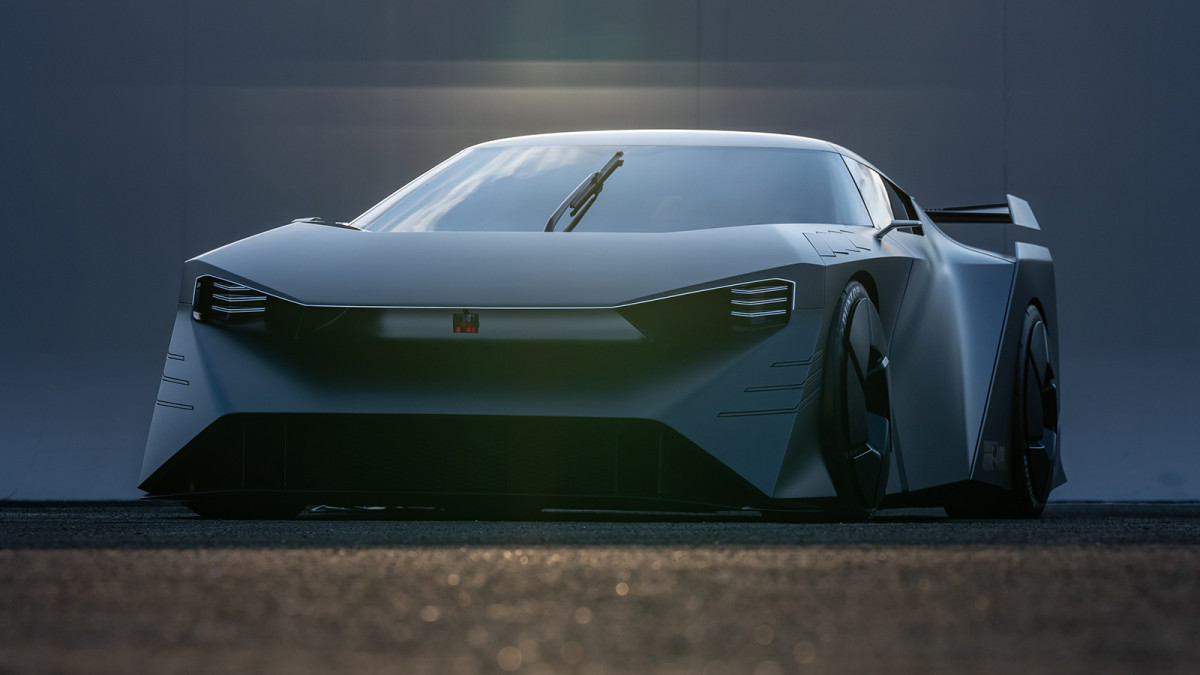
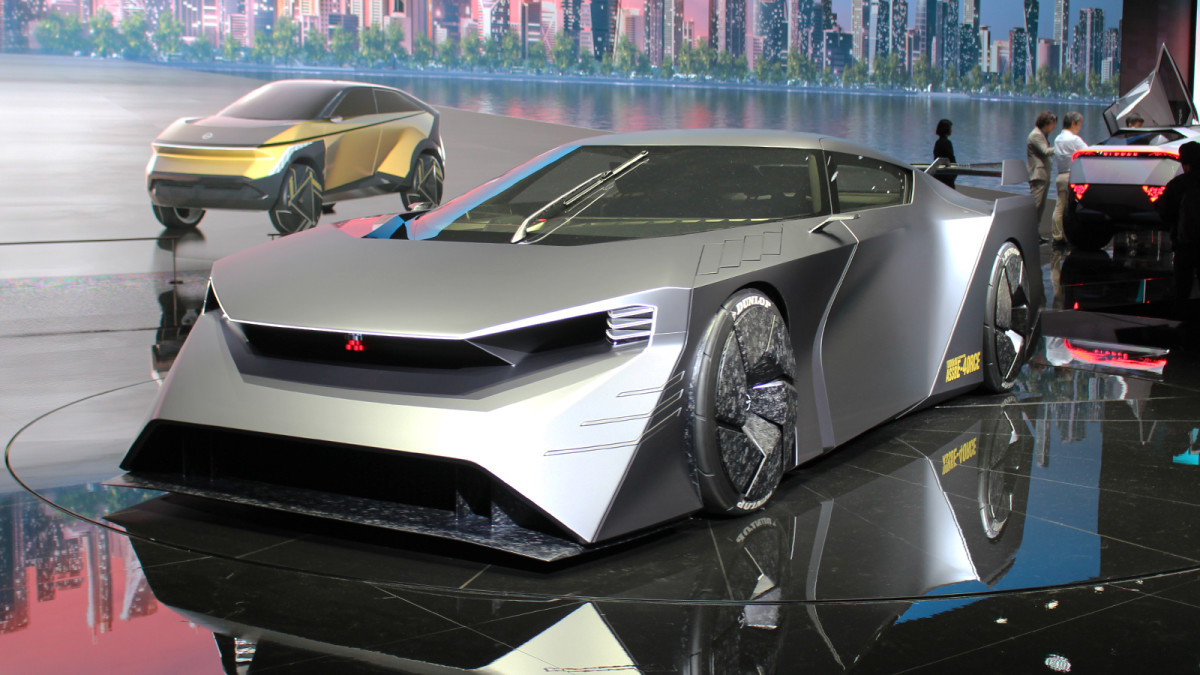
We’ve known for a while that Nissan is working on the next GT-R, even as earlier plans hinted at an all-electric future for the badge. That idea hasn’t completely disappeared, but it’s clearly not the full story anymore.
Now, there’s a bit more clarity thanks to comments from Ponz Pandikuthira, Senior Vice President and Chief Planning Officer for Nissan North America. The update paints a picture that feels both reassuring and slightly complicated, depending on what you were hoping the next Godzilla would become.
On one hand, the next-generation R36 GT-R is still very much alive. On the other, it won’t be a pure combustion sports car.
"GT-R is part of our mythology. There will always be a GT-R," Pandikuthira told Autoblog at the 2026 New York Auto Show.
Electrified Not Just for Compliance
Pandikuthira confirmed that the R36 will have some level of electrification, though he also made it clear that it won't be electrified just for the sake of complying with stricter global emissions rules, including upcoming Euro 7 standards.
“We do know it’s going to need some level of electrification. And it can’t just be electrification for the sake of electrification. It still needs to be a capable performer – Nürburgring, multiple laps, hold lap timing records. And that balance is what’s actually delaying the introduction of the next generation," Pandikuthira added.
Pandikuthira also shared a rough timeline, confirming that a team in Japan is already spearheading the development of the next GT-R. "So it’s not an if — it’s only a when,” he assured.
“If everything goes the way we want, I’d like to see it by ’28. You should at least hear some very concrete news from us," the executive shared.
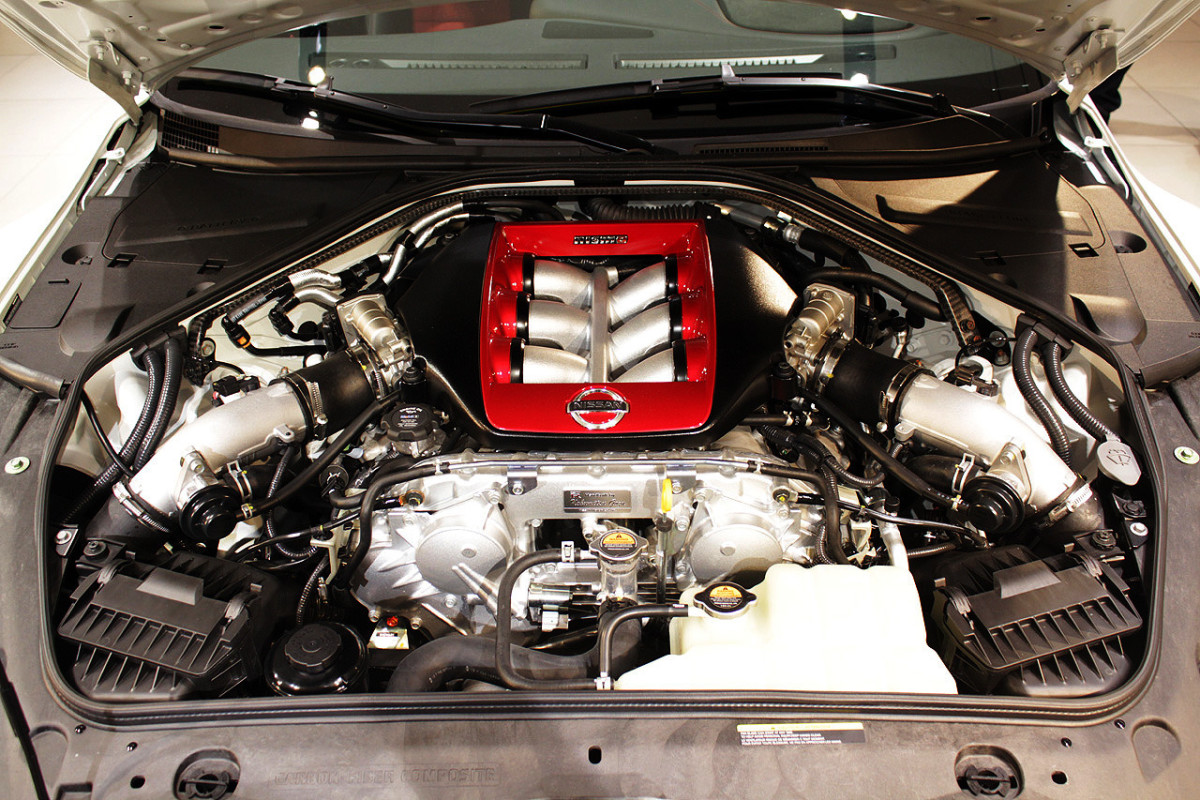
Pandikuthira didn't share any specifics about the electrified setup, but we can deduce that Nissan will likely use an evolution of the VR38 V6 engine from the current Nissan GT-R R35. Why? Because it’s already a proven, high-performance foundation.
AOL
VR38: Two Decades of Renown
The VR38 engine has earned its reputation over nearly two decades, and that’s a good reason Nissan isn’t ready to walk away from it.
Originally developed for the R35 GT-R, the twin-turbocharged 3.8-liter V6 is known for its robustness and tuning potential. It’s built with a closed-deck aluminum block, a design that improves rigidity and allows it to handle significant power increases without compromising durability.
Each engine is also hand-assembled by Nissan’s Takumi master technicians, adding a level of craftsmanship that’s become part of the GT-R’s identity. Over the years, the VR38 has proven capable of supporting extreme outputs in both factory and heavily modified applications, which helps explain why Nissan sees value in evolving it rather than replacing it outright.
For the R36, that likely means a hybridized version of this engine, updated to meet modern emissions while still delivering the kind of performance expected from a GT-R. It may not be the all-new powertrain some enthusiasts were hoping for, but it does suggest continuity in character.
Joel Stocksdale
from Autoblog News https://ift.tt/zrWhQqZ





0 Comments