While much of the country is enjoying sub-$3.00-per-gallon gas prices, California is not. Currently, the national average for a gallon of regular unleaded is around $2.94, but in California, drivers are paying a statewide average of $4.54. This massive delta isn't just a rounding error; a 40-cent surge hit California in the last two weeks, leaving commuters statewide wondering when the bleeding will stop.
The current spike is a perfect storm of infrastructure fatigue and regulatory timing. A significant reduction in refining capacity, as major players like Phillips 66 and Valero begin to wind down or idle their West Coast operations, is brutal and effectively chokes the supply line. The West Coast is paying a "premium" that feels more like a penalty right now - here’s what’s going on.
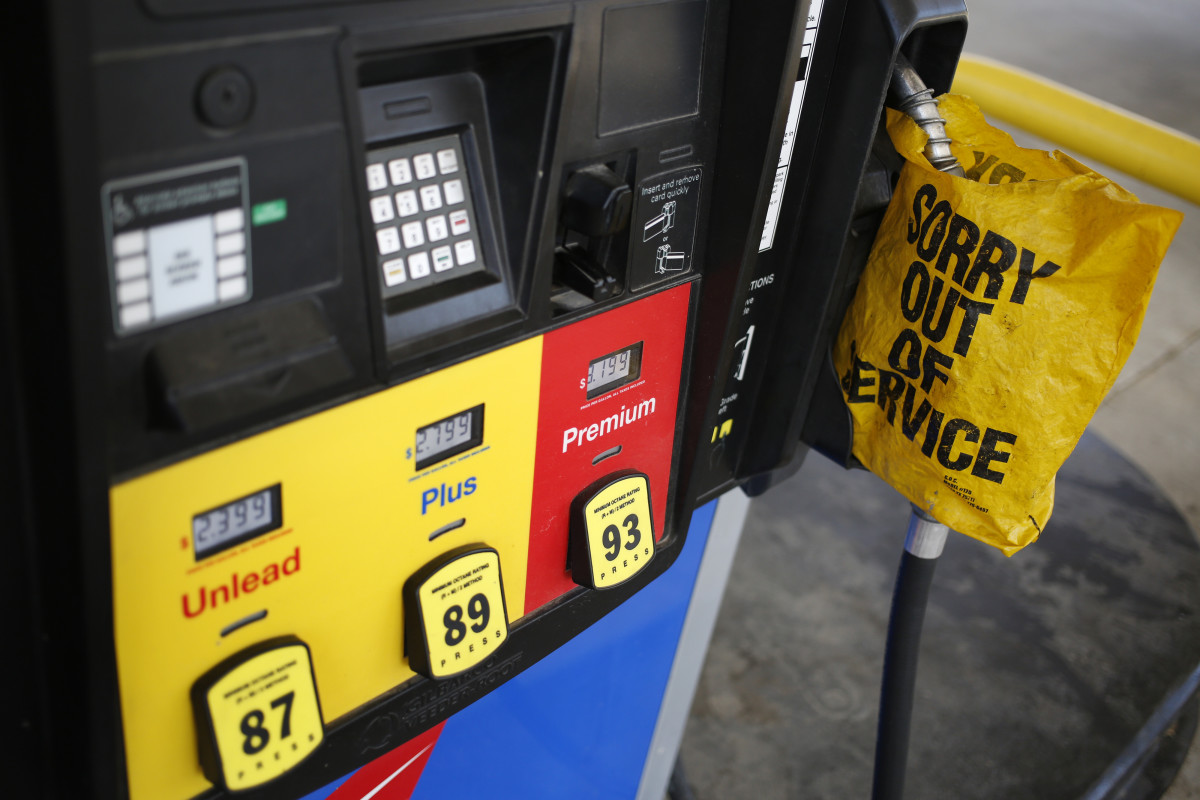
The Great Refinery Shutdown
The recent closure of the Phillips 66 Los Angeles refinery complex in late 2025 and the early idling of Valero’s Benicia facility have collectively wiped out nearly 18% of the state’s refining capacity. Because California requires a specific blend of gasoline to meet its stringent air quality standards, it can’t easily import fuel from other states when local production hits a snag.
This lack of redundancy means that any hiccup in the system results in an immediate, painful price hike at the pump. Petroleum experts warn that the state is reaching a breaking point as it transitions to a greener future without the infrastructure to support the remaining internal combustion fleet. For now, the "supply" side of the supply-and-demand equation is increasingly thin, which is a primary driver behind the current $4.50 floor we're seeing across the state.
Related: Why gas is suddenly 25 cents cheaper in these 6 cities
The Summer-Blend Surcharge
While February usually brings a lull in driving demand, it also marks the beginning of a refinery pivot. In California, the transition to summer-blend gasoline starts earlier than in many other regions, and this year the process is particularly expensive. Summer-blend fuel is designed to be less volatile in high temperatures to reduce smog, but the chemical additives and more complex refining process required to make it add a significant premium to every gallon produced.
Compounding this seasonal shift is the fact that many refineries schedule their annual maintenance during this transition window. With fewer facilities online to begin with, having a single unit go down for turnaround maintenance creates a localized scarcity that ripples through the market. Drivers are essentially paying for the complexity of the fuel and the shrinking number of places capable of making it, a trend that some analysts expect to persist well into the spring.
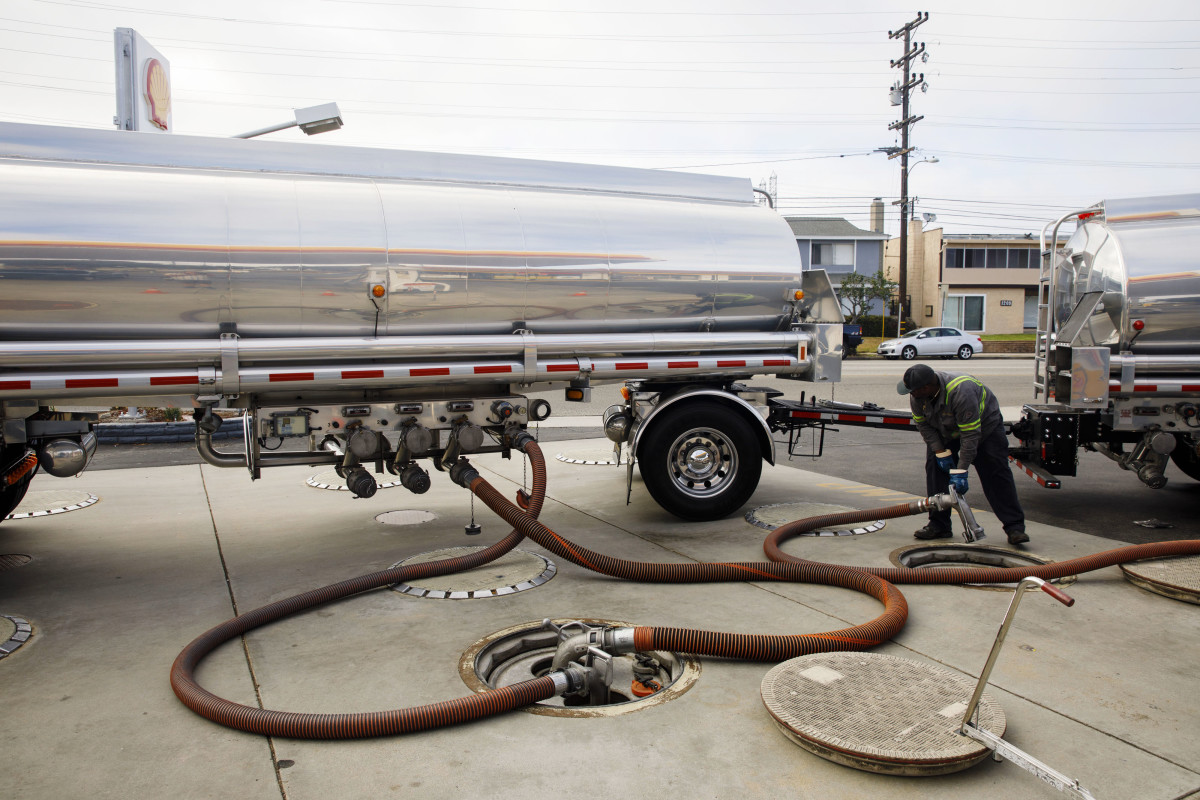
How bad is it, really?
Two gas stations serve as prime examples of how bad Californians feel the pinch at the pump. The Chevron at 700 South Alameda Street in Los Angeles has reports of gas at $4.89 per gallon today. Neighboring stations are cheaper, but not by much, and it stands in stark contrast to nearby cities like Torrance, which has gas at around $3.70 per gallon.
This Chevron station in the heart of Los Angeles is also a prime example of the urban price premium. Located near the Arts District and major thoroughfares, it frequently lists prices that sit 20 to 30 cents above the already high county average of $4.61. The high overhead of operating in a dense metropolitan area, combined with the brand's "Techron" marketing, makes Chevron a frequent outlier for high gas pricing - but California’s urban density is also to blame.
Shell
Bay Area drivers have it a bit worse. The Shell station at 1201 Harrison St in San Francisco is at $4.95 per gallon; a nearby Chevron is at $4.99 per gallon for regular. The Bay Area has been hit particularly hard by the idling of the Benicia refinery, a primary supplier to the region's independent and branded stations. As supply tightened over the last 14 days, stations in the SOMA district have seen some of the most aggressive price hikes in the entire state.
Even the "budget" options in these areas hover well above $4.70, showing there is no safe haven for drivers in cities, where most drivers are. Until the supply chain stabilizes or more fuel is brought in from outside (which is a logistical nightmare) these almost-$5-per-gallon gas prices may be the new normal.
Disclaimer: All prices cited in this article are based on publicly available user-generated feedback. Gas stations do not provide daily reports on gas prices, and prices can change at any time. Autoblog is not responsible for the accuracy of pricing listed with user-generated reporting.
Related: These 4 states are paying the most for gas today - here’s why
from Autoblog News https://ift.tt/H3E9uTd





0 Comments