Toyota, Hyundai, and several Chinese automakers could feel the effects of the escalating conflict involving the United States, Israel, and Iran sooner rather than later. Analysts from the investment firm Bernstein warn that the situation could affect everything from regional vehicle sales to global supply chains and fuel prices. On top of that, instability around key shipping routes and oil infrastructure could ripple through the global auto industry, potentially having similar economic repercussions to those of the 1970s oil crisis.
Automakers With The Most At Stake
Toyota
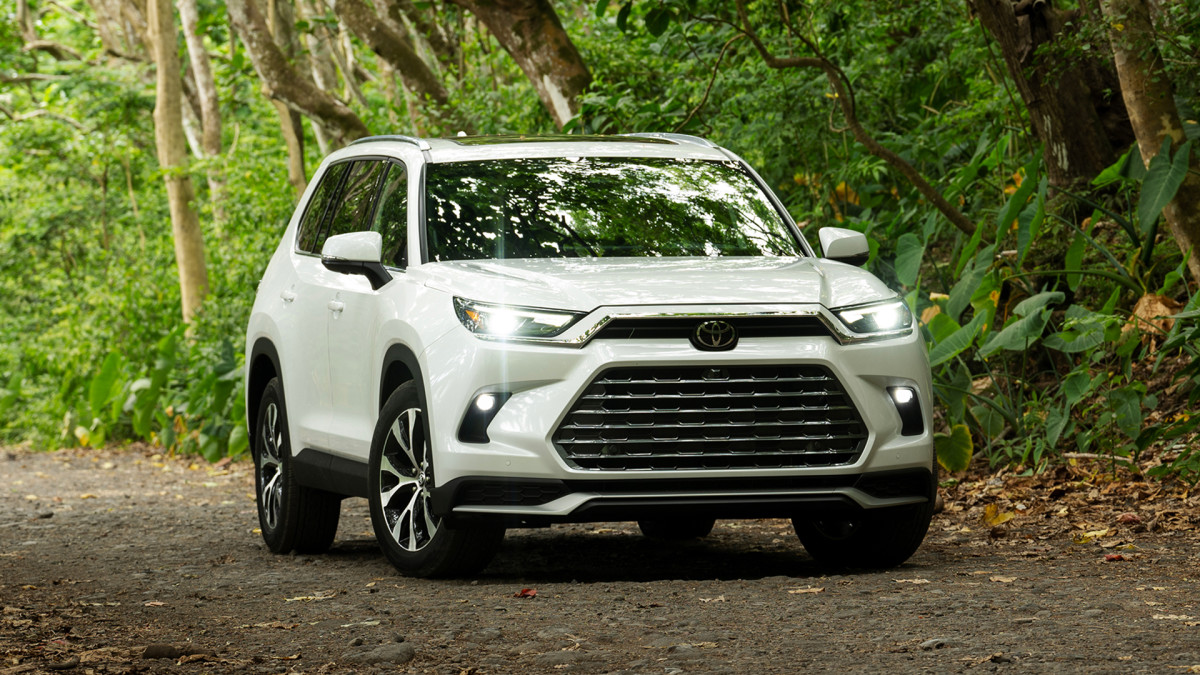
Toyota, Hyundai, and Chinese brands such as Chery have some of the largest exposure to the Middle Eastern market. Bernstein estimates that these companies collectively account for roughly one-third of vehicle sales in the region. Toyota leads with about 17% market share, followed by Hyundai at 10% and Chery at 5%. To put that into perspective, more than 600,000 vehicles were sold across the Middle East last year. Based on those shares, Toyota would account for roughly 204,000 vehicles, Hyundai 120,000, and Chery 60,000 units.
Chinese automakers may have an especially tough time, as Iran was responsible for roughly 17% of China’s vehicle exports in 2025, equivalent to about 266,000 vehicles. A prolonged conflict could therefore affect international sales. But China isn't alone. Iran made up about 2% of Toyota's total international sales, which may risk the brand being dethroned as the world’s best-selling automaker.
Shipping Routes And Fuel Prices
Cole Attisha
Much of the concern centers on the strategic importance of the Strait of Hormuz, a narrow shipping corridor linking the Persian Gulf with the Gulf of Oman. Around 20 million barrels of crude oil pass through the route every day, according to consulting firm AlixPartners, making it one of the most critical energy chokepoints in the world. Iran’s closure of the Strait threatens global oil supply and prices, and markets have already reacted.
Crude oil has climbed 7% since the disruption began, and analysts warn that a prolonged closure could push oil prices above $100 per barrel. Supplies will be rerouted through Africa’s Cape of Good Hope, resulting in up to a 14-day shipping delay. Not only will this cost time, but due to the extra distance travelled, transport costs will increase, too. Alongside higher fuel prices, it seems that rising costs will have a domino effect across the entire auto industry.
Fuel Efficiency May Become a Top Priority
Toyota
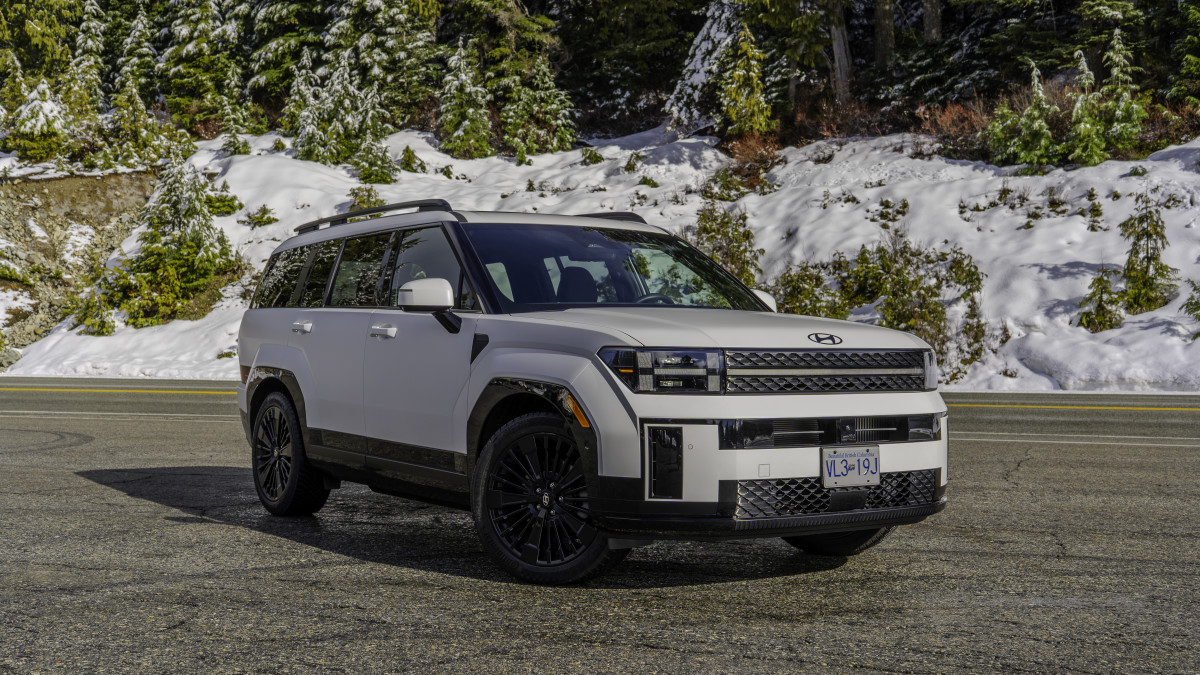
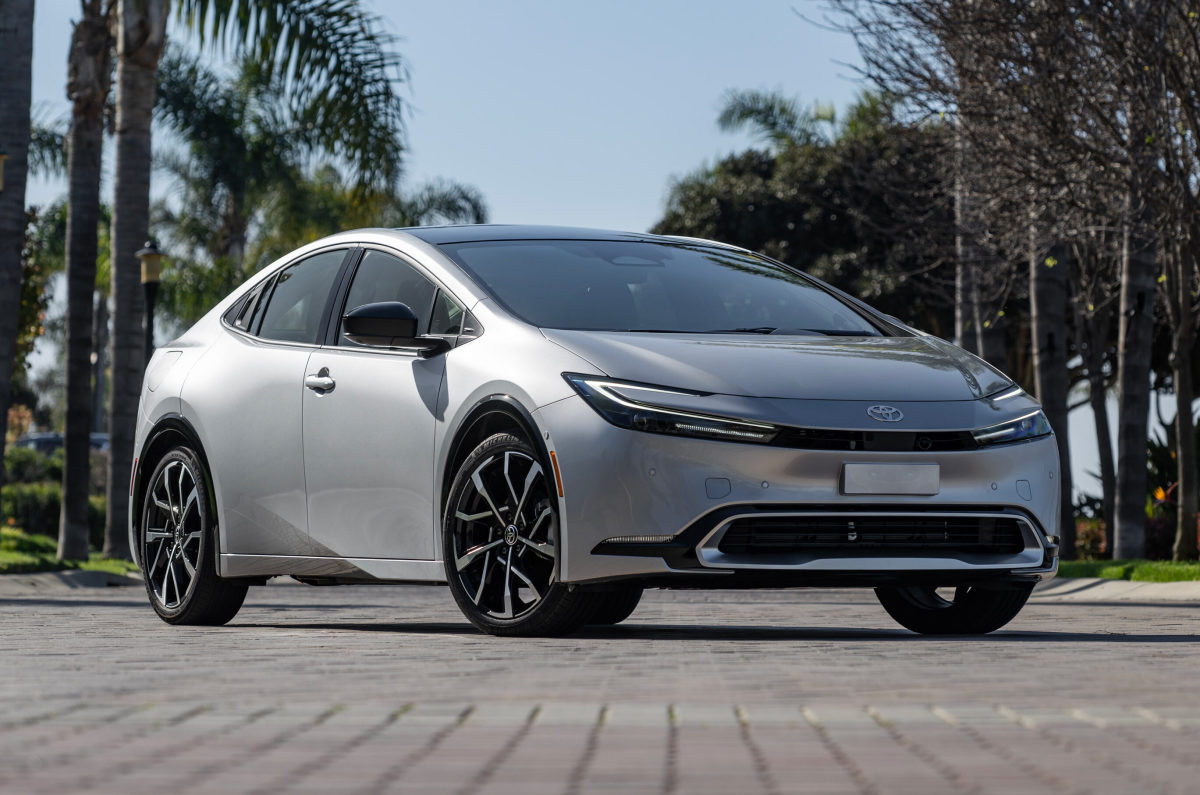
If history repeats itself, consumers may begin shifting toward more efficient vehicles, as they did back in the '70s. Hybrid and plug-in hybrid models could see stronger demand, especially as manufacturers expand their electrified offerings. Hyundai, for example, has seen rising interest in its hybrid lineup as fuel efficiency became more important for buyers well before the America-Iran conflict.
But this is where things get truly interesting: In light of the rapid decline in EV demand, many brands, like General Motors and Stellantis, have doubled down on ICE-powered vehicles, with rumors of a V8-powered Dodge Charger returning, too. If oil prices continue to rise and supply chains face further disruption, automakers may once again need to pivot quickly.
from Autoblog News https://ift.tt/0pU1fGJ



0 Comments