New car prices have been rising every year since 2020 in the United States due to a combination of pandemic-induced supply chain disruptions, computer chip shortages, inflation, high demand, and increased production costs, among other factors.
For the first time ever, average new car prices in the U.S. crossed the $50,000 threshold in late 2025, a 32% increase over 2020, when the average price of a new car was under $38,000.
It's tough out there if you're a new car shopper, as even stuff that used to be pretty much irrelevant before, such as destination charges, can inflate the price of your vehicle by several thousand dollars.
From Spare Change to Thousands of Dollars
Brandon Bell/Getty Images
According to a list compiled by Consumer Reports, these non-negotiable vehicle destination charges have increased significantly, with Detroit Three automakers demanding the highest such fees across the U.S. market.
A series of trucks and SUVs from Ford, General Motors and Stellantis took nine of the top 10 most expensive destination charges. The only cars on the list are from Stellantis-owned Alfa Romeo (Giulia, Stelvio and Tonale), and they hold the No. 1 spot with a $3,250 destination charge.
The second highest destination charge is for the Cadillac Escalade and Escalade iQ—$2,895—followed by the Chevy Silverado 1500, Silverado 2500HD/3500HD, Suburban and Tahoe with $2,795. These trucks and SUVs are all heavy vehicles, which should cost more to ship.
But that doesn't explain the big differences in destination fees across automakers. The lowest destination fee $1,150, currently charged by Mercedes-Benz for all its vehicles sold in the United States. Interestingly, the 10 lowest destination fees are charged by foreign automakers.
Why Did Destination Charges Outpace Inflation?

Getty Images
So why the big disparity? First of all, since advertised prices do not typically include destination, some automakers use the destination fee to "hide" the additional costs of the vehicle, Sam Fiorani, vice president of global vehicle forecasting at AutoForecast Solutions LLC, told the Detroit News. By inflating the destination fee, the base price, which is always advertised excluding destination, can look more attractive to the consumer.
CR found in 2021 that destination fees often "far exceed the actual cost of transporting a vehicle," which suggests that automakers may use the charges to increase their margins. Another big question mark regarding destination charges is that they have been rising above the overall pace of inflation.
The average vehicle destination fee in the U.S. has jumped 67% from $952 in 2015 to $1,592 in 2026, according to Edmunds data. And the increase during the past two years is also spectacular. In 2024, destination charges ranged from $995 to $2,095; now they span from $1,150 to $3,250, according to CR.
What Is a Destination Charge?

Getty Images
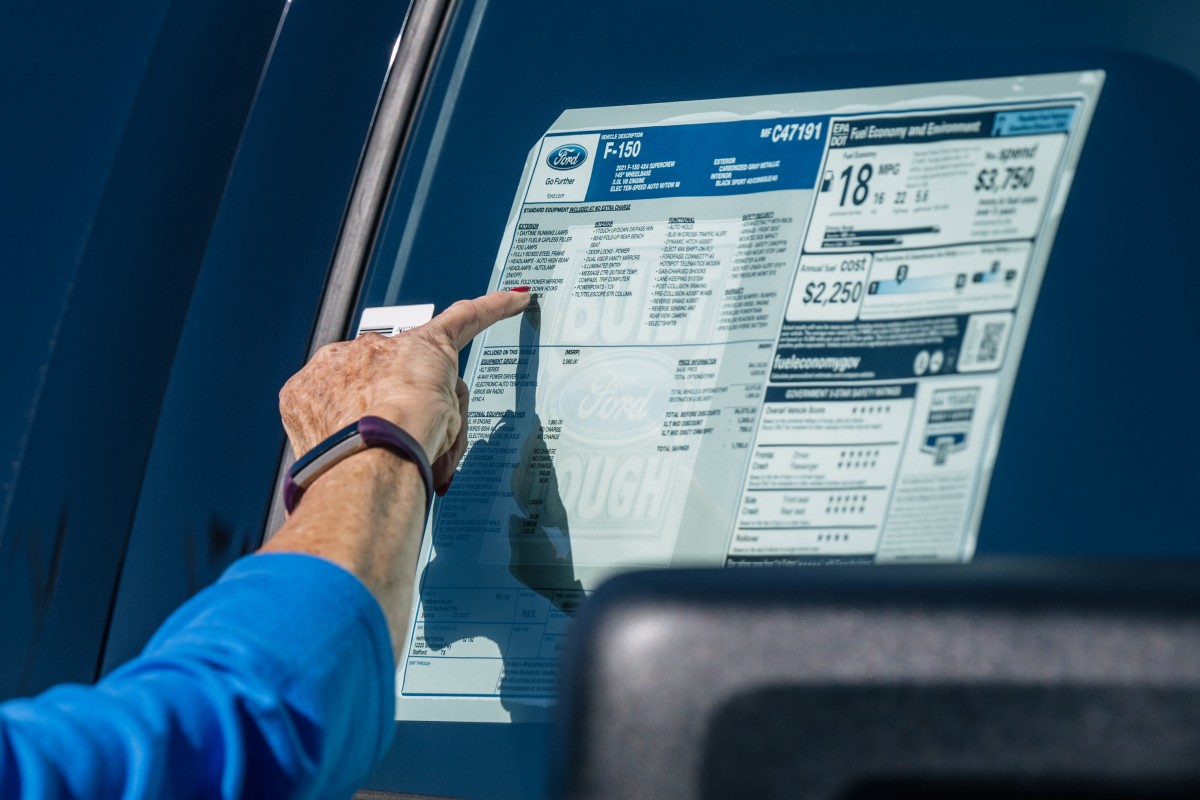
Carmakers are required by the Automobile Information Disclosure Act of 1958 to disclose "the amount charged, if any, to such dealer for the transportation of such automobile to the location at which it is delivered to such dealer."
According to manufacturers, destination charges cover the cost of transporting the vehicle, averaged across all corners of the country. Automakers have standardized those fees so that consumers see the same charge in the contiguous United States; that's why a buyer in Detroit pays the same fee as someone in California for the same vehicle.
CR warns that buyers should seriously take destination fees into account. "Destination charges are now a major cost when buying a car. Be sure to look past the sticker price to understand average transaction prices in your area, destination charges, and taxes for budgeting," the consumer watchdog writes.
The organization is calling for rules requiring automakers to include destination charges in their advertised and online prices, instead of burying them in footnotes. But until something is done about that, make sure to always read the footnotes.
from Autoblog News https://ift.tt/xcPek3Y






0 Comments